DIY Earrings: Every Style and Technique for Beginners
Earrings are the fastest project in jewelry making. A pair of studs takes 20 minutes. Tassel earrings take 30. And you end up wearing something you actually made, which is a feeling that doesn’t get old.
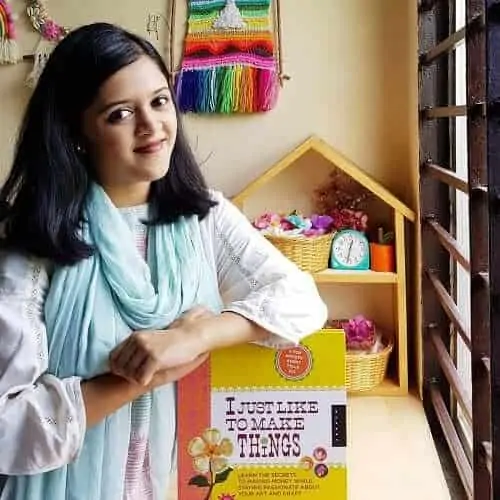
I’m Muhaimina Faiz. I’ve been making earrings for years across seven different styles, and this page pulls together every earring tutorial I’ve published. Studs, hoops, clay, leather, tassel, beaded, shell. Find your style and start there.
Jump to all tutorials or read through to figure out which style fits you right now.
How to Pick Your First Earring Style
The question I get most from beginners is “where do I start?” And my honest answer is always the same: start with the style you actually want to wear. If you make something you love, you’ll keep going. If you make something that felt like the safe beginner choice but you’d never put it on, you’ll stop after one pair.
That said, some styles are more forgiving than others when you’re learning. Here’s a quick breakdown so you can match the technique to where you are right now.
| Style | Time per Pair | Tools Needed | Best For |
|---|---|---|---|
| Studs (glue) | 20 min | None | Absolute beginners |
| Studs (wire) | 30–45 min | Pliers + wire cutters | Beginners learning wire |
| Hoop earrings | 30–45 min | Pliers | Beginners, quick results |
| Tassel earrings | 20–30 min | Scissors, pliers | Fast, colorful, no wire |
| Dangle / drop | 30–60 min | Pliers + wire | Intermediate beginners |
| Clay earrings | 45 min + baking | Roller, blade, oven | People who like sculpting |
| Leather earrings | 30–45 min | Scissors, hole punch | Clean shapes, minimal tools |
| Shell earrings | 30 min | Drill bit or awl, pliers | Natural material lovers |
If you’ve never worked with pliers before, start with glue-based studs or tassel earrings. You’ll get a finished pair fast, and that first success makes the tool-based projects feel less intimidating when you get to them.
All Earring Tutorials
Stud Earrings
Studs are where most people begin. They’re small, fast, and the technique is simple enough that you can get a finished pair before you have time to second-guess yourself. Two approaches here: glue-based studs where you adhere a bead or charm to a flat pad, and wire studs where you build the whole thing from scratch.

Hoop Earrings
Hoops look like an intermediate project but they’re not. You buy plain hoop findings, add your detail (beads threaded on, wire wrapping, a charm), and the hoop shape does the rest. The finding itself creates the structure. Your job is just to decorate it.

Dangle and Drop Earrings
Dangles move when you move, which is part of why people love them. Most are built on earring hooks (also called French hooks or fish hooks) with your design hanging from a loop or jump ring. Making your own hooks takes things further and gives you full control over the length, shape, and material.

How to Make Earrings: 2 Complete Tutorials for Beginners
Two full earring tutorials in one post, covering different styles and techniques. If you’re not sure where to start, this is the post. It gives you options and walks through both from scratch.

How to Make Earring Hooks
Once you can make your own hooks, you control everything: the length, the curve, the wire gauge, the metal. This tutorial shows the exact technique step by step. A skill worth learning early.

DIY Beaded Earrings: Festive Style
Colorful beaded drop earrings that look festive without being over the top. The bead selection is what makes these, so it’s a good project for working through your bead stash.
Tassel Earrings
Tassel earrings are all texture and movement. Embroidery thread, yarn, leather cord, chain — the material changes the look completely but the construction is the same across all of them. Gather your strands, secure them at the top, attach to a finding. You can finish a pair in under 30 minutes and they look expensive when you’re done.

Clay Earrings
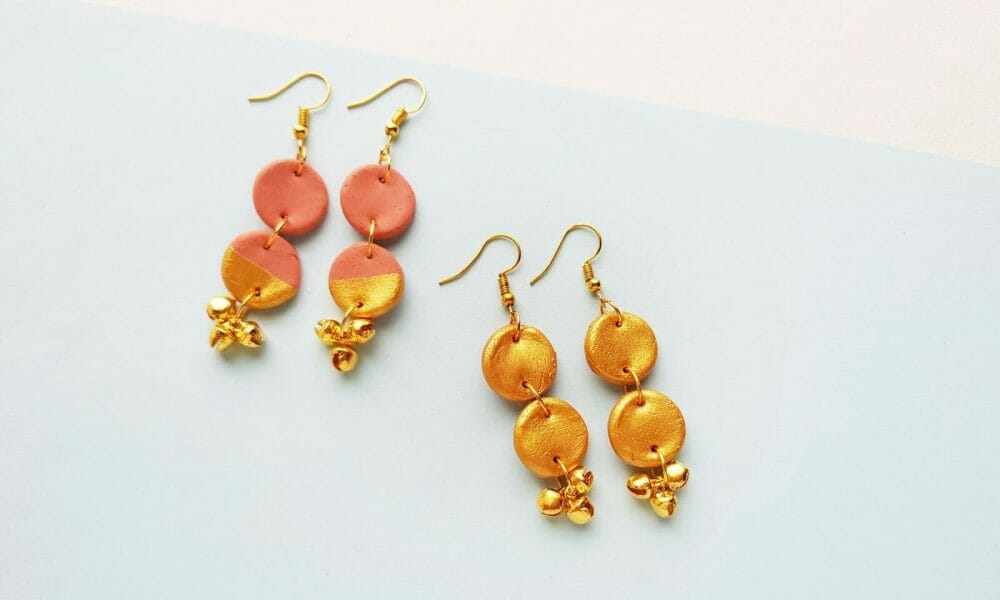
Polymer clay earrings let you make shapes and patterns that simply don’t exist in stores. The tools you need are minimal, the process is satisfying in a tactile way that wire work isn’t, and once baked they’re genuinely durable. These take longer than other earring styles because of baking and cooling time, but the result is worth it.
Leather Earrings
Leather earrings are lighter than they look and more striking than most people expect when they first try them. Cut your shape from thin craft leather, punch a hole at the top, attach a finding. The material does the visual work. You don’t need a lot of technique, just clean cuts and a good shape to start with.

Shell and Natural Material Earrings
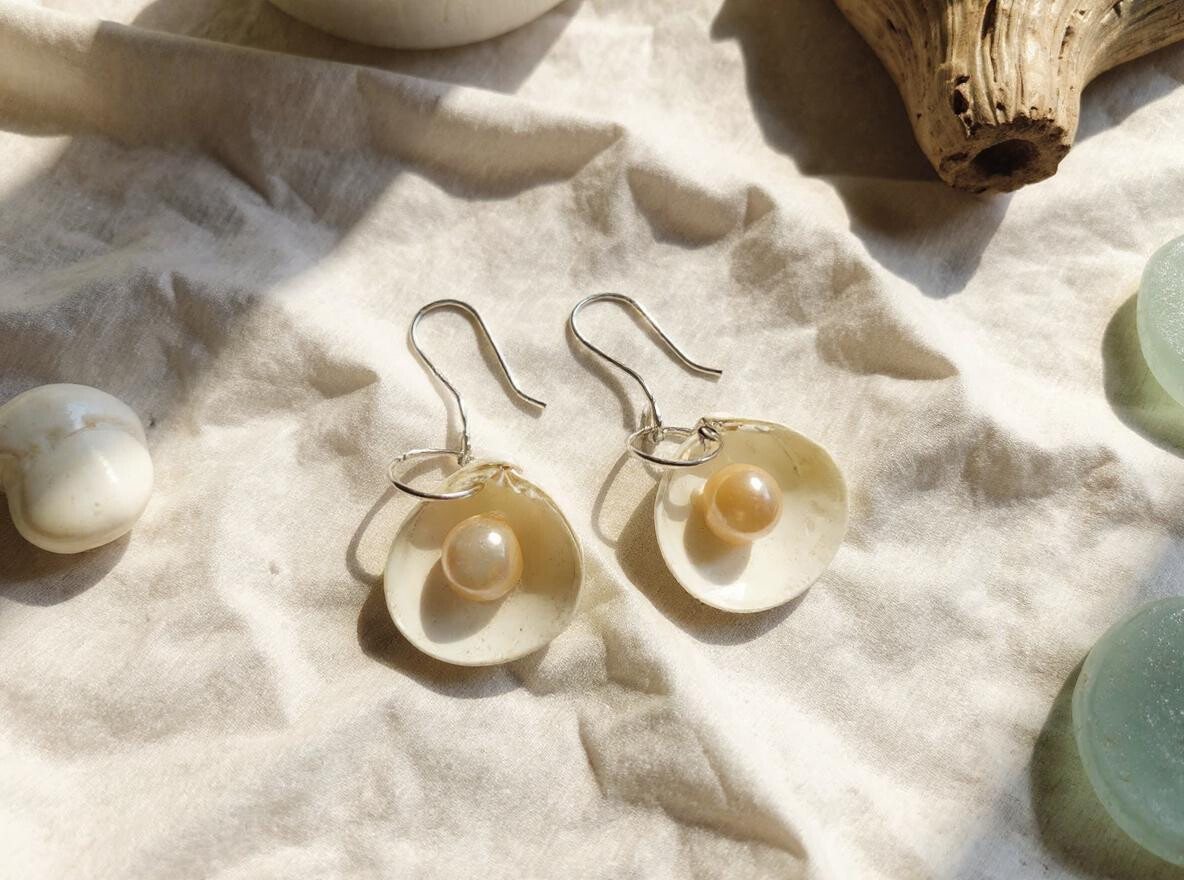
This is one of my favorite categories because the material is already doing most of the work. Sea shells, wooden discs, stone chips — you’re not competing with the material, you’re framing it. Shell earrings in particular look like they cost three times what they do, and they take under 30 minutes once you’ve prepared your shells.
Want the Free Templates?
The leather earring template and other jewelry-making printables are free inside Craftaholic Community. Join free and find them in the Free Templates space.
Join Craftaholic CommunityFree to join. Templates included.
What Supplies Do You Actually Need?
The honest answer: not much to start. A basic earring-making kit covers most of what you’ll need for beginner and intermediate work, and it costs less than a single pair from a jewelry store.
The core toolkit (covers most styles)
Round-nose pliers, flat-nose pliers, and wire cutters. That’s the foundation. Round-nose pliers form loops and curves. Flat-nose pliers open and close jump rings cleanly without distorting them. Wire cutters do exactly what they sound like. A beginner set with all three costs under $10 at most craft stores.
Beyond tools: earring hooks, jump rings (4mm and 6mm sizes cover most uses), and 20-gauge wire. Add beads or charms based on the project you’re starting with.
For stud earrings specifically
Flat pad stud blanks (also called stud bases), earring backs, and E6000 adhesive or another strong jewelry glue. The pad diameter should match the size of what you’re attaching. If you’re gluing a large stone cabochon, go bigger. For small beads, a 4–6mm pad is usually enough.
For wire studs: 20-gauge wire and beads. The tutorial covers the exact loop technique so you don’t need separate glue.
For clay earrings specifically
Polymer clay (Sculpey Premo and Fimo Professional are reliable brands), an acrylic roller or pasta machine, a sharp craft blade, and earring blanks. You’ll also need an oven set to the temperature on your clay packaging — typically 130°C / 265°F for 30 minutes per 6mm of thickness.
Don’t use your food oven without lining it with foil first. Polymer clay is non-toxic when cured but the fumes aren’t something you want mixing with your dinner.
For leather earrings specifically
Thin craft leather (1mm or under, sometimes labeled “leather sheets” in craft stores), sharp scissors or a craft knife, a hole punch or sharp awl, and earring findings. That’s it. The free template from the tutorial handles the shape. You cut, punch, and attach.
For shell earrings specifically
Small shells with or without existing holes (if without, you’ll need a small drill bit or sharp awl to make one), jump rings, and earring hooks. The tutorial covers both how to drill shells without breaking them and how to use natural holes where they exist.
What to Explore Next
Earrings are one piece of the jewelry-making picture. Once you’re comfortable with the basics here, these related areas are worth branching into.
- Beaded Jewelry — beadwork skills transfer directly between earrings, bracelets, and necklaces. If you’ve made beaded earrings, you’re already partway there.
- Wire Jewelry — wire wrapping opens a completely different category of earring designs. Wrapped stone earrings, coil drops, wire-formed shapes. Worth learning once you’re comfortable with basic loops.
- Bracelets — a natural step after earrings. Many of the same beads, findings, and techniques carry over directly.
- Back to the full Jewelry Making guide — tools, materials, and where to start if you’re new to jewelry making in general.
Questions People Ask
What do I need to start making earrings?
Round-nose pliers, flat-nose pliers, wire cutters, earring hooks, jump rings, and some beads or charms. That kit covers most beginner and intermediate earring projects. For clay earrings you also need polymer clay and an oven. For leather earrings, thin craft leather and a hole punch. You don’t need all of this on day one. Pick one style and get only what that style needs.
How long does it take to make a pair of earrings?
Most projects on this page take under an hour. Basic stud earrings take about 20 minutes. Tassel earrings take 30. Wire-wrapped designs take 45 minutes to an hour depending on how detailed they get. Clay earrings have baking time on top — factor in an extra 30 to 45 minutes for baking and cooling before you can assemble them.
What is the easiest type of earring to make for beginners?
Glue-based stud earrings. You need a flat pad stud blank, a bead or charm, and strong adhesive. No wire, no pliers, no loops. Stick the bead to the pad, let it cure, put them on. You can make a finished pair in under 30 minutes on your first try. Once that feels comfortable, wire studs are the natural next step.
Can I make earrings without any tools?
For glue-based studs, yes. For most other styles, a basic pair of pliers makes a real difference. Round-nose pliers help you form consistent loops and flat-nose pliers let you open and close jump rings cleanly. A beginner pliers set costs under $10 and covers everything on this page. It’s a one-time buy that pays for itself in the first project.
What wire gauge should I use for earrings?
20-gauge is the most useful starting point. Strong enough to hold its shape in loops and wrapped sections but flexible enough to work with basic pliers. 24-gauge is thinner and better for detailed wrapping around small beads. Start with 20-gauge and add 24-gauge once you’re comfortable forming consistent loops.